01
Newfoundland and Labrador
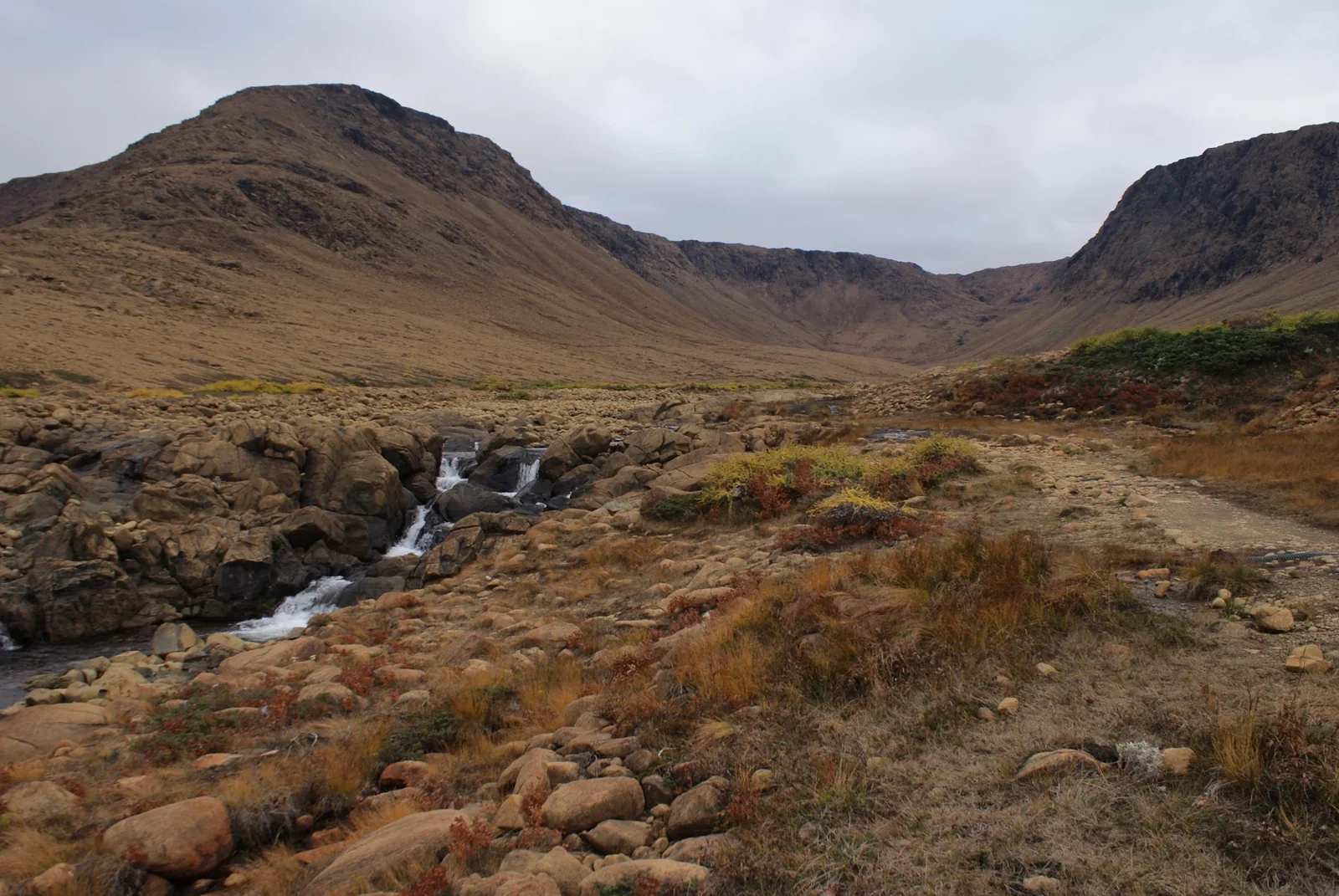
The Tablelands: a different starting point
The orange-brown Tablelands in Gros Morne are not simply a mountain with fewer trees. Their exposed rock tells a story that begins much deeper than the surface.
Canada, read from the ground up
Independent reading · Canada
Geological field notes for curious readers: rock, moving ice, valleys and the careful distinction between a striking view and the evidence behind it.
Explore field chaptersA rocky valley and stream in the Tablelands of Gros Morne National Park, Newfoundland and Labrador. Credit ↗
Newfoundland and Labrador
The orange-brown Tablelands in Gros Morne are not simply a mountain with fewer trees. Their exposed rock tells a story that begins much deeper than the surface.
Glacier vocabulary
A snow patch and a glacier can both look white in a photograph. The distinction lies in a long-term accumulation of ice and its movement under its own weight.
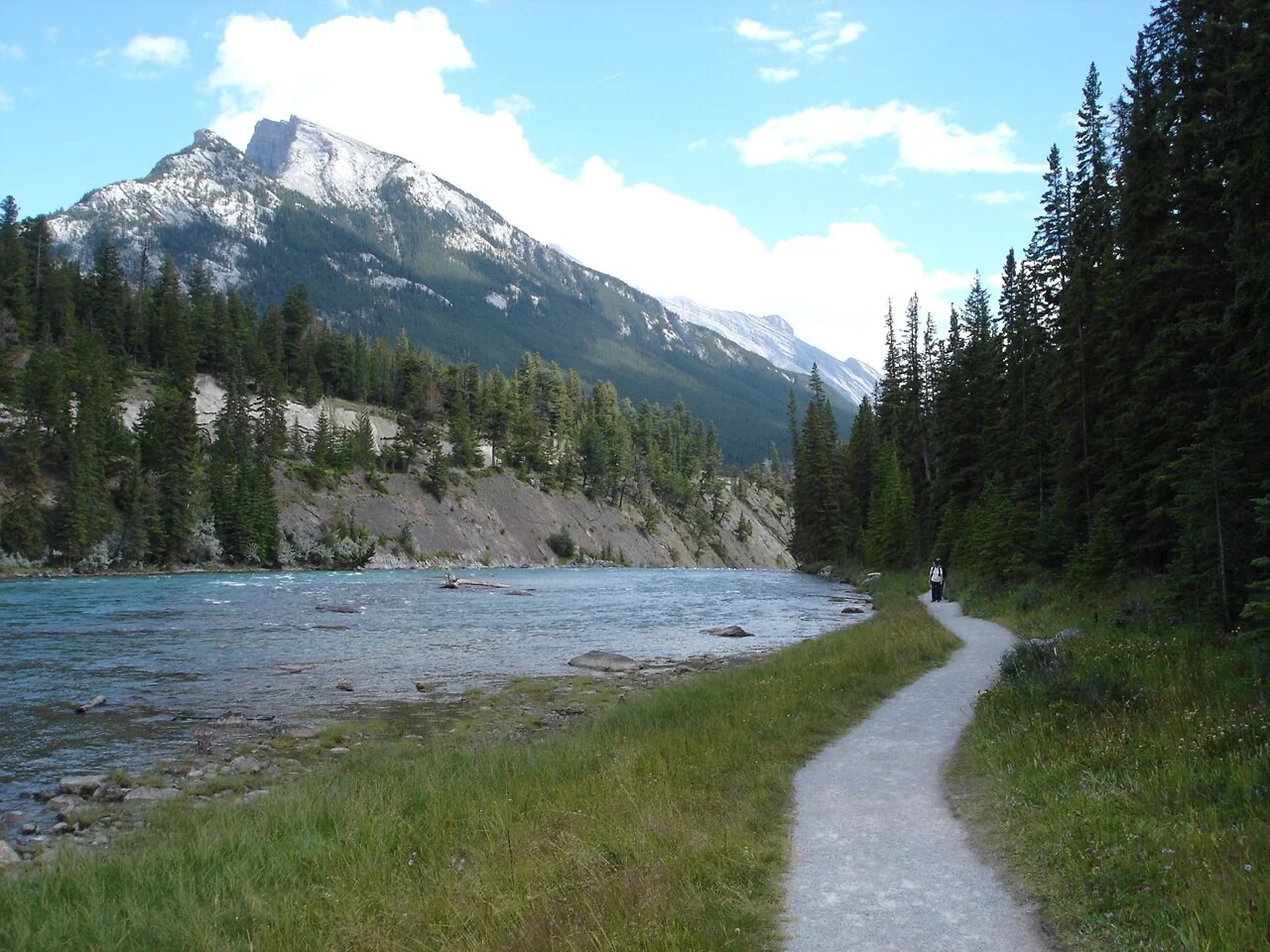
Reading landforms
A river may occupy a valley whose shape records more than the river itself. Landscapes preserve overlapping episodes rather than a single, uninterrupted process.
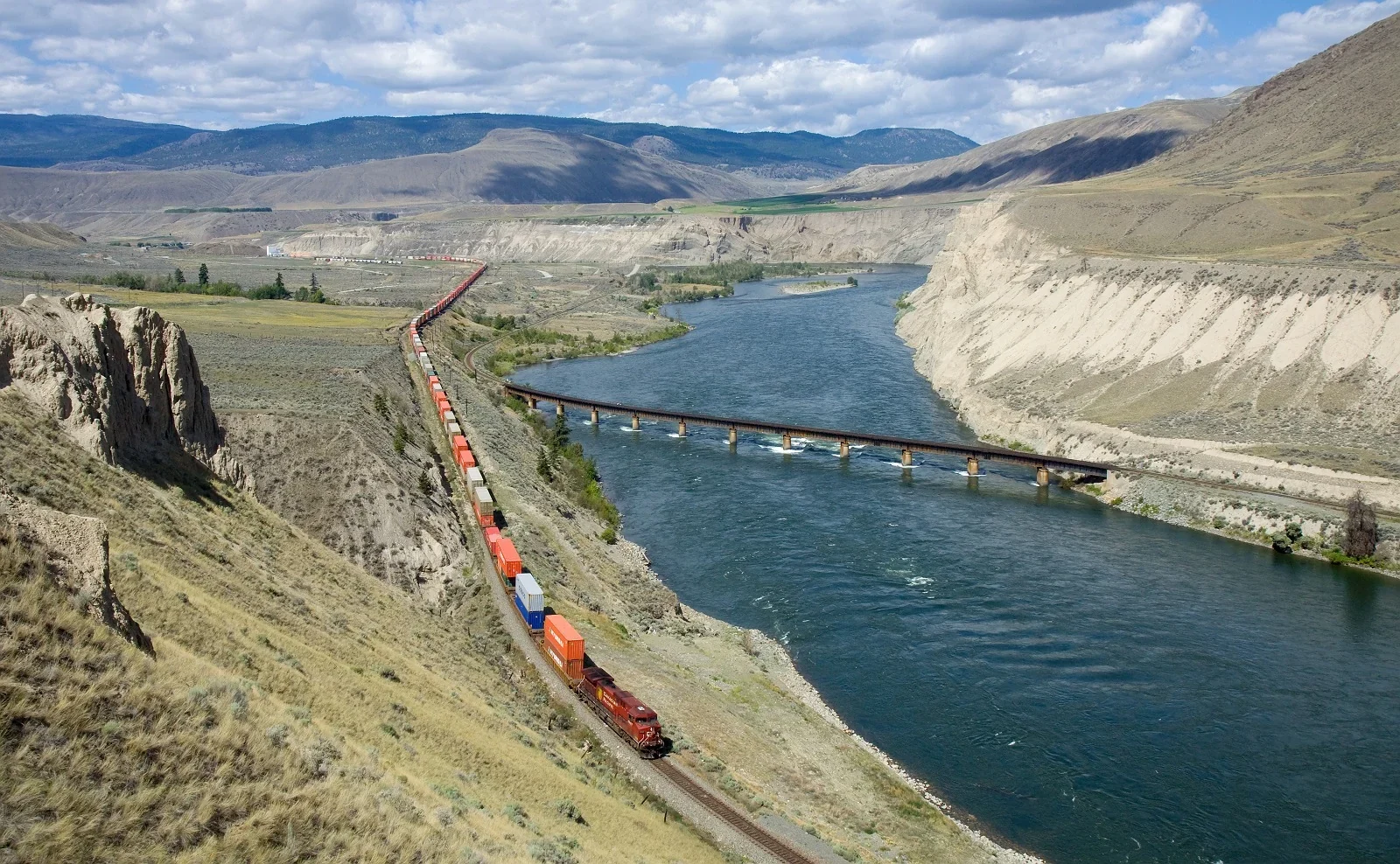
Evidence notebook
A second photograph can reveal change, but only after you ask whether the two views are truly comparable. Perspective, season and scale are part of the evidence.